
Cricket Control Strategies For Warehouses And Storage Facilities
People searching for cricket control strategies for warehouses and storage facilities aim to prevent infestations, and local service providers can implement effective solutions to keep spaces cricket-free.
Visitors exploring cricket control strategies for warehouses and storage facilities are in the right place to find practical insights and solutions. Property owners and managers in the area often face challenges with cricket infestations that can disrupt operations and compromise stored goods. Understanding effective control methods is essential for maintaining a clean, pest-free environment that supports smooth business functions. As you continue reading, you'll discover how local contractors specializing in commercial cricket control can help implement targeted strategies designed to address these specific concerns efficiently and effectively.
Engaging with experienced service providers can make a significant difference in managing cricket issues within storage spaces. These professionals bring valuable knowledge about the most effective approaches for preventing and controlling cricket populations in warehouse settings. Whether through exclusion techniques, habitat modification, or targeted treatments, they offer practical solutions tailored to the needs of property owners in the area. Keep reading to learn more about how these local experts can assist in safeguarding your facilities against cricket-related problems.
- Cricket exclusion services - needed when warehouses experience persistent cricket infestations that threaten stored goods, with local contractors implementing sealing and barrier methods.
- Infestation assessment and inspection - useful for facilities noticing increased cricket activity, where local service providers conduct thorough evaluations to identify entry points and nesting sites.
- Sanitation and debris removal - essential when clutter or debris attracts crickets, with local pros focusing on cleaning and organizing to reduce habitat suitability.
- Barrier and sealing solutions - appropriate for warehouses seeking to prevent cricket entry, as local contractors apply physical barriers to vulnerable entry points.
- Ongoing pest monitoring programs - recommended for facilities aiming to maintain control over cricket populations, with local providers setting up monitoring devices and regular inspections.
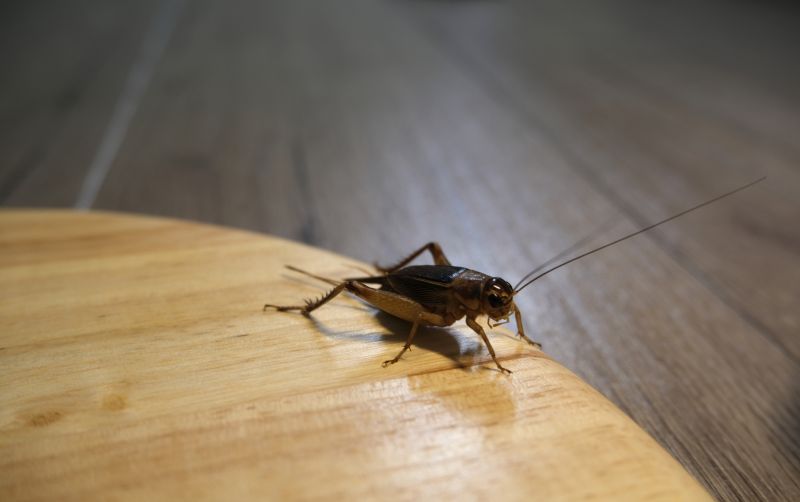
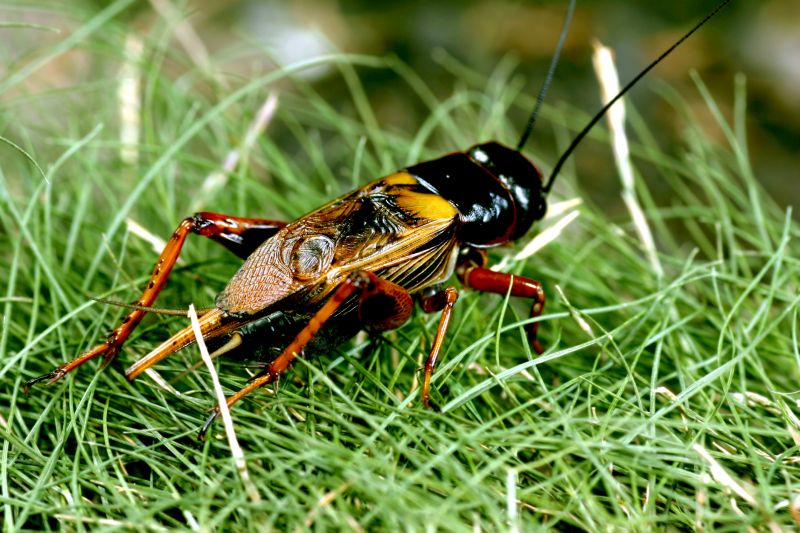
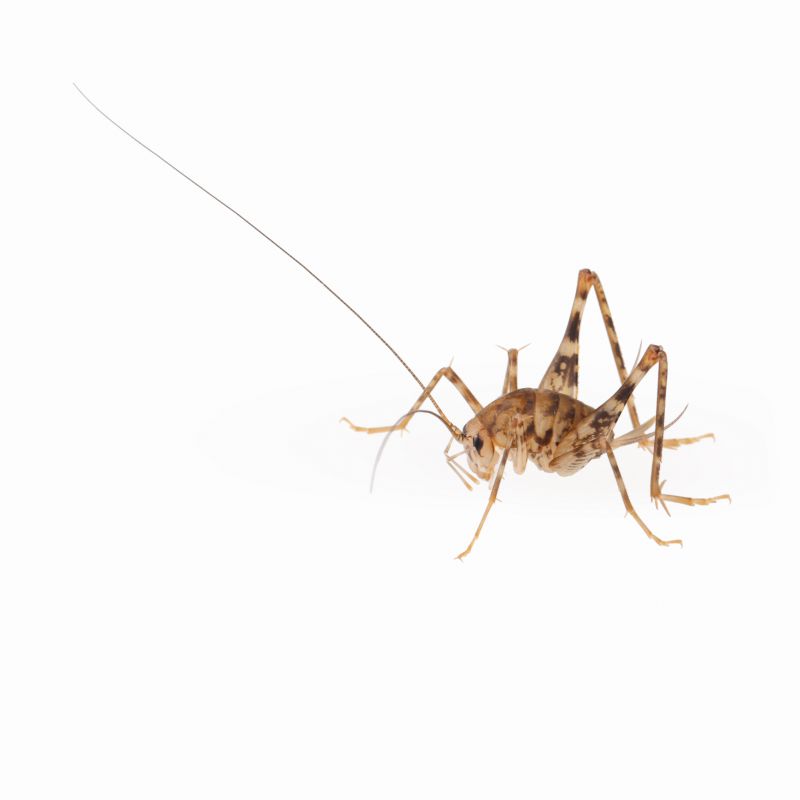
Cricket control strategies for warehouses and storage facilities are essential for property owners and managers dealing with pests that can cause significant disruptions. When searching for this topic, most people are looking for effective ways to prevent or eliminate cricket infestations that threaten stored goods, inventory, or the overall operation of their facilities. Crickets can invade large commercial spaces, especially those with areas that are dark, damp, or cluttered, making them difficult to control without specialized approaches. These strategies often involve a combination of sanitation practices, physical barriers, and targeted treatments to reduce cricket populations and prevent future invasions.
The problems associated with cricket infestations in warehouses and storage facilities typically revolve around damage to materials, contamination, and the nuisance they pose to workers. Crickets may chew on packaging, fabrics, or stored items, resulting in financial losses and increased cleanup efforts. In addition, their presence can create an unprofessional appearance and impact the safety of the environment, particularly if their droppings or shed exoskeletons contaminate products. Plans for cricket control in such properties usually focus on identifying entry points, reducing hiding spots, and applying appropriate pest management techniques to keep crickets out of the building.
Properties that commonly come up in discussions about cricket control strategies include large commercial warehouses, distribution centers, storage units, and industrial facilities. These spaces often have extensive shelving, pallets, and cluttered corners that provide ideal hiding spots for crickets. Additionally, buildings with poor sealing around doors, windows, and utility penetrations are more susceptible to infestations. Storage facilities that house textiles, paper products, or foodstuffs are particularly vulnerable, as crickets are attracted to organic materials and moisture. Understanding the specific needs of these property types helps in designing effective control plans that local service providers can implement.
For property owners and managers exploring cricket control strategies, connecting with local contractors experienced in commercial pest management is a vital step. These professionals can assess the unique conditions of each property, identify potential entry points, and recommend tailored solutions that may include exclusion methods, baiting, and targeted insecticide applications. Because warehouses and storage facilities often require ongoing maintenance to prevent reinfestation, working with local pros ensures that the strategies are sustainable and adapted to the property’s specific layout and use. This collaborative approach helps maintain a pest-free environment, safeguarding inventory and operational efficiency.
Pest Inspection Services - Professionals who conduct thorough pest inspections can identify potential cricket entry points and nesting areas within warehouses and storage facilities, supporting effective cricket control strategies.
Building Maintenance and Repair - Contractors specializing in sealing cracks, repairing gaps, and maintaining structural integrity help prevent cricket intrusion, complementing cricket control efforts in storage environments.
Rodent Control Solutions - Since rodents and crickets often share habitats, pest control providers experienced in rodent exclusion can assist in creating comprehensive strategies for warehouse pest management.
Sanitation and Clean-Up Services - Proper sanitation reduces habitat and food sources for crickets, and local service providers can help maintain cleanliness standards critical for effective cricket control.
Warehouse Door and Seal Installation - Installing or upgrading door seals and weather stripping by local contractors helps block cricket access points, supporting control strategies for storage facilities.
Structural Pest Barrier Installation - Experts in pest barrier systems can implement physical barriers that prevent crickets from entering warehouses, enhancing overall control plans.
When evaluating service providers for cricket control strategies in warehouses and storage facilities, it is important to consider their experience with similar projects. A contractor with a proven track record in managing pest control within commercial storage environments is more likely to understand the unique challenges involved, such as large indoor spaces, access points, and the need for discreet yet effective solutions. Asking for examples of past work or references related to commercial cricket control can help gauge their familiarity with the specific requirements of warehouses and storage facilities, ensuring that the chosen professional has relevant hands-on experience.
Clear written expectations are essential when comparing local contractors for cricket control services. This includes understanding the scope of work, methods to be used, and any follow-up procedures or guarantees. A reputable service provider should be able to provide detailed information about their approach, addressing how they plan to target cricket populations effectively while minimizing disruption to daily operations. Having well-defined expectations in writing helps prevent misunderstandings and ensures that the service provider’s offerings align with the needs of the warehouse or storage facility.
Effective communication is a key factor in selecting the right professional for cricket control strategies. A dependable contractor should be responsive, willing to answer questions, and able to explain their methods in straightforward terms. Good communication also involves providing updates throughout the process and being transparent about the steps involved. When comparing local service providers, consider how well they listen to specific concerns, their clarity in explaining treatments, and their responsiveness to follow-up questions. This level of communication can contribute to a smoother experience and greater confidence in managing cricket issues within commercial storage environments.
Property owners often search for cricket control strategies for warehouses and storage facilities when they are planning practical projects around their homes and businesses. Local pros provide Commercial Cricket Control services for everyday jobs and straightforward project options.
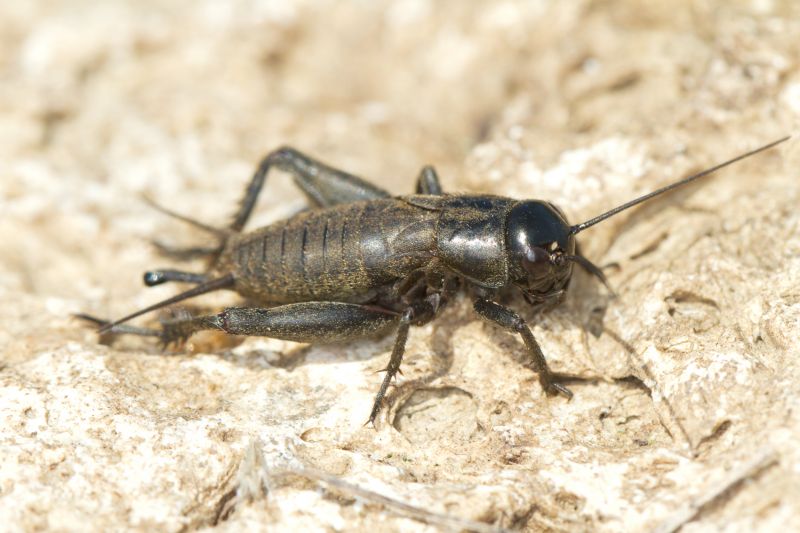
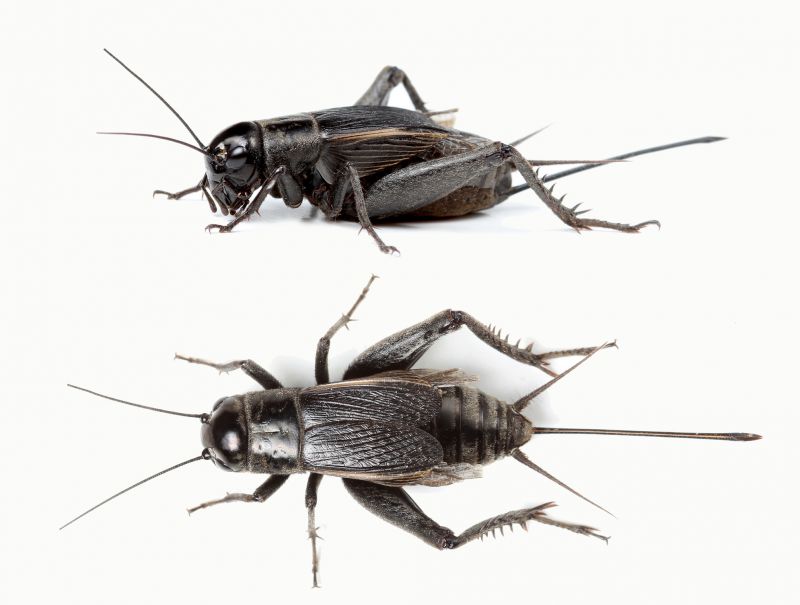
In many warehouses and storage facilities, dealing with cricket infestations can become an ongoing challenge that disrupts operations and compromises stored goods. Property owners often seek effective cricket control strategies to prevent these pests from establishing themselves in areas like loading docks, storage rooms, and maintenance zones. Simple measures such as sealing entry points, removing debris, and maintaining cleanliness are common first steps. However, for more comprehensive solutions, local contractors specializing in commercial cricket control can implement tailored strategies that target infestation sources and create long-lasting barriers against future invasions.
Choosing experienced service providers for cricket control in warehouse environments can help property owners address the unique conditions of their facilities. These professionals typically utilize a combination of exclusion techniques, targeted treatments, and ongoing monitoring to ensure pests are managed effectively. Engaging with local experts allows property owners to access practical, proven approaches that are suited to the specific layout and use of their warehouses or storage spaces. This focused support can be a key part of maintaining a pest-free environment and protecting inventory from cricket-related damage.
What are effective cricket control strategies for warehouses and storage facilities? Local contractors often recommend a combination of sealing entry points, maintaining cleanliness, and using targeted treatments to prevent cricket infestations in warehouses and storage areas.
How can I prevent crickets from entering my warehouse or storage facility? Experts suggest inspecting and sealing cracks, gaps, and vents, along with reducing clutter and moisture sources to minimize cricket entry points.
Are there specific treatments that work best for controlling crickets in storage environments? Many service providers utilize residual insecticides and baiting systems designed for indoor use to effectively reduce cricket populations.
What maintenance practices support long-term cricket control in warehouses? Regular cleaning, prompt repair of structural damages, and ongoing monitoring are key strategies recommended by local specialists.
Can professional cricket control services help with ongoing prevention? Yes, local contractors offer tailored plans that include inspection, treatment, and advice to help maintain a cricket-free environment over time.
Seal entry points - Identifying and sealing cracks, gaps, and holes can prevent crickets from entering storage areas, and local contractors can assist with effective sealing solutions.
Implement sanitation practices - Keeping storage facilities clean and free of debris reduces hiding spots for crickets, with professional services offering targeted sanitation advice.
Set up physical barriers - Installing screens or door sweeps can create a barrier against crickets, and local service providers can recommend suitable materials for warehouse environments.
Use targeted treatments - Applying insecticidal dusts or baits in key areas can control existing cricket populations, with local pros providing safe and effective application methods.
If you are thinking about cricket control strategies for warehouses and storage facilities for a property, this guide is meant to help you understand this topic, the typical project types, and how different options might fit your plans.
When you are ready, you can use the quote form on this page to share a few details about your project. From there, local pros can review the basics and follow up with options that match what you have in mind.