
Common Areas Roaches Hide
To eliminate common areas roaches hide, local pest control service providers can identify and treat hidden spots to effectively reduce infestations.
If pests like roaches are finding cozy spots in common areas, it’s a sign that these spaces may be providing ideal hiding places for them. Property owners in the area often explore this topic because roaches in shared spaces can quickly lead to larger infestations that are difficult to control. Common areas such as hallways, laundry rooms, and storage spaces are frequently overlooked, but they can serve as prime hideouts for roaches seeking shelter and food. Recognizing where these pests hide is an important step toward effective management, and local service providers specializing in roach pest control can offer tailored solutions to address these issues efficiently.
Understanding where common areas roaches hide can help property owners take proactive steps to prevent infestations from spreading. These pests tend to prefer dark, cluttered, and undisturbed spaces, making maintenance and sanitation crucial in reducing their hiding spots. Local contractors experienced in roach pest control are equipped to assess these common areas and implement targeted treatments that can make a significant difference. Exploring this topic further can provide practical insights into how to keep shared spaces pest-free, with the support of professionals who can handle the job effectively.
- when common areas roaches hide, local contractors can perform targeted treatments to eliminate hiding spots and reduce infestations. - if roaches are suspected in shared spaces, local service providers use strategic methods to locate and treat hard-to-reach areas where roaches tend to hide. - during ongoing infestations, local pros assess common areas for roach hiding spots and apply comprehensive pest control solutions to prevent future issues. - when dealing with roaches hiding in communal spaces, local contractors can implement sanitation and exclusion techniques to limit their hiding places. - in cases where common areas are infested, local pest control experts identify and treat typical hiding spots to effectively reduce roach populations.
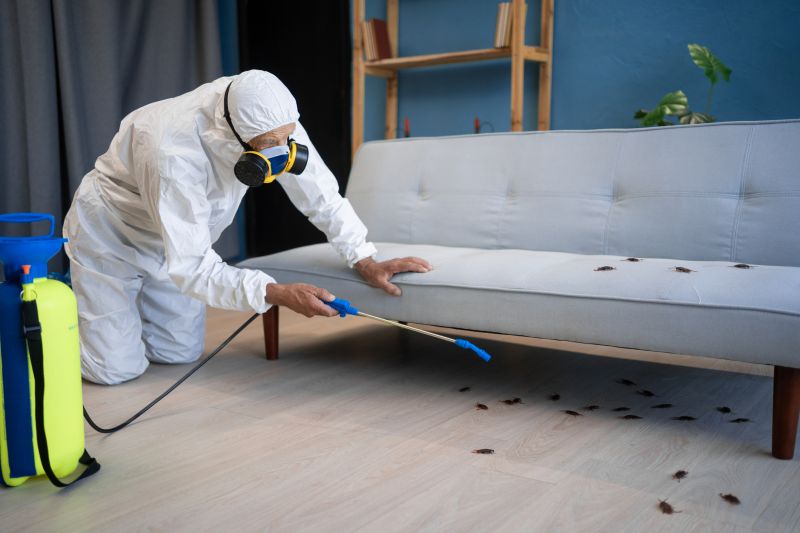
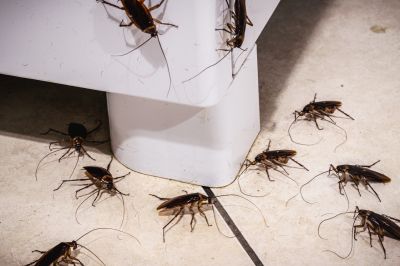
When searching for information about common areas roaches hide, people are typically concerned about understanding where these pests are likely to be found within their properties. This topic often comes up during pest control planning, especially when trying to identify potential infestation hotspots. Homeowners may notice signs of roach activity in certain parts of their homes and want to know where these insects prefer to stay hidden. Recognizing these common hiding spots helps in developing effective treatment strategies and ensures that pest control efforts target the right areas for a thorough and lasting solution.
The problems associated with roaches hiding in common areas often involve ongoing infestations that are difficult to eliminate without proper access to their hiding spots. Many property owners plan pest control treatments around these areas to prevent roaches from establishing a foothold. Common areas roaches hide in include cracks and crevices near plumbing, behind appliances, inside cabinets, and around baseboards. Addressing these hiding spots is crucial for controlling the population and preventing future outbreaks. Local pest control service providers are experienced in identifying and treating these specific locations, making them valuable partners in managing infestations effectively.
Properties that are most likely to have issues with roaches hiding in common areas tend to be residential homes, apartment complexes, and multi-unit buildings. These environments often provide ample hiding spots and consistent sources of food and water, which attract roaches. Kitchens and bathrooms are typical hotspots, but they can also be found in laundry rooms, basements, and storage areas. Commercial properties such as restaurants and grocery stores may face similar challenges, requiring specialized attention to common areas where roaches can thrive unnoticed. Connecting with local service providers ensures that these property types receive targeted treatment to address the specific hiding spots that roaches favor.
Understanding where common areas roaches hide helps homeowners and property managers take proactive steps in pest management. It highlights the importance of thorough inspections and treatments that go beyond surface-level cleaning. Local pros can assess these hidden spaces and implement strategies to eliminate roaches from their most favored hideouts. This approach not only helps resolve current infestations but also reduces the risk of future problems. By working with experienced service providers, property owners can ensure that the treatment plan addresses the full scope of the infestation, including the places where roaches are most likely to hide and reproduce.
Building Inspection Services - inspectors identify hidden pest harborage areas in common spaces where roaches tend to hide, helping to inform targeted treatment strategies.
Commercial Pest Management - service providers develop integrated plans to control roaches in shared areas like hallways, laundry rooms, and storage spaces.
Sanitation and Clean-up Services - specialists focus on removing food sources and clutter that attract roaches to common areas, reducing hiding spots.
Structural Repair and Sealing - contractors address entry points and cracks in walls, floors, and ceilings where roaches may hide in common spaces.
Warehouse and Storage Facility Services - experts help manage pest hiding spots in large shared environments, preventing roach infestations in common areas.
Apartment Complex Maintenance - professionals handle common area sanitation and repairs that minimize roach hiding spots and support pest control efforts.
When evaluating pest control service providers for addressing common areas where roaches hide, it is important to consider their experience with similar projects. Homeowners should inquire about how long the contractor has been handling roach infestations, particularly in common areas such as kitchens, hallways, or shared building spaces. An established contractor with a history of effectively managing these types of issues is more likely to understand the specific behaviors and hiding spots of roaches in shared environments, which can lead to more targeted and successful treatment strategies.
Clear, written expectations are vital when selecting a service provider for roach pest control. Homeowners should seek detailed descriptions of the scope of work, including what areas will be treated, what methods will be used, and any preparations needed before the service. Having these details in writing helps ensure that everyone is aligned on the process and reduces misunderstandings. Additionally, understanding the contractor’s approach to follow-up or ongoing prevention can provide peace of mind that the problem will be addressed thoroughly.
Reputable references and effective communication are also key factors when comparing local contractors. Homeowners should ask for references or reviews from previous clients who had similar issues, especially those involving common areas where roaches tend to hide. Good communication throughout the process-such as prompt responses to questions and clear explanations of treatment options-can make the experience smoother and more transparent. Choosing a service provider who demonstrates professionalism and a willingness to answer questions thoroughly can contribute to a more confident decision in managing a roach problem.
Property owners often search for common areas roaches hide when they are planning practical projects around their homes and businesses. Local pros provide Roach Pest Control services for everyday jobs and straightforward project options.
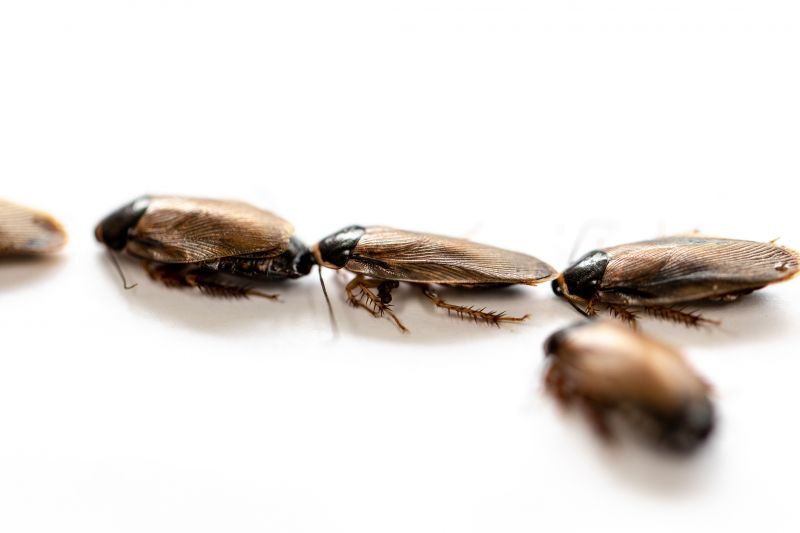
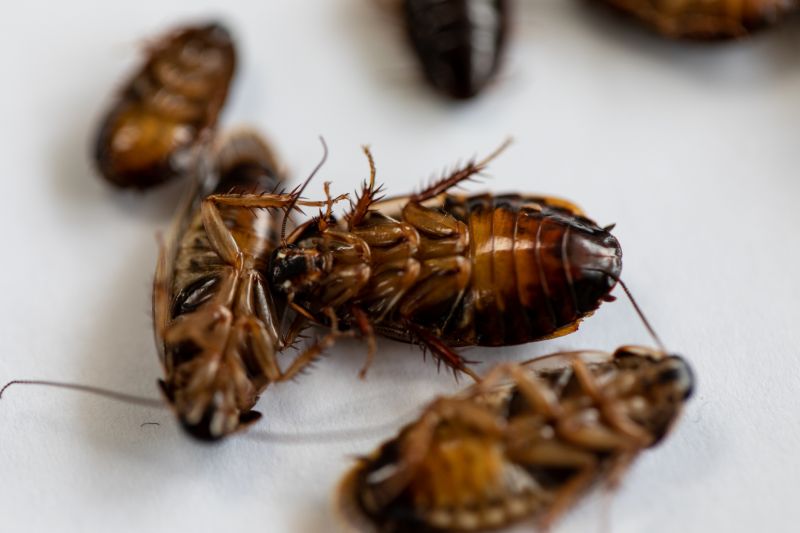
Many property owners in the area notice that common areas such as kitchens, basements, and storage spaces tend to be prime hiding spots for roaches. These pests are often drawn to warm, dark, and cluttered environments, making places like behind appliances, inside cabinets, or under sinks common areas where they can thrive unnoticed. When these hidden spots become infested, it can lead to larger pest problems if not addressed promptly, prompting homeowners and landlords to seek professional roach pest control services to eliminate the issue effectively.
Understanding where roaches hide in common areas can help property owners take preventative steps and recognize when to bring in local contractors for help. Service providers experienced in pest control can identify these hidden hiding spots and implement targeted treatments to reduce or eliminate roach populations. Connecting with local pros ensures that these pests are handled efficiently, especially in areas where they are most likely to be found and difficult to reach without professional assistance.
Why do roaches hide in common areas? Roaches prefer hiding in common areas because these spots often provide dark, warm, and moist environments that are ideal for their survival and reproduction.
What are typical hiding spots for roaches in shared spaces? Common hiding spots include behind appliances, inside cabinets, under sinks, and within cracks or crevices in walls and floors.
How can pest control services locate where roaches are hiding? Local contractors often perform thorough inspections to identify signs of roach activity and determine their preferred hiding spots in common areas.
Are there effective ways to reduce roach hiding spots in shared spaces? Yes, pest control professionals can advise on sanitation practices and sealing entry points to minimize hiding places for roaches.
How do pest control experts eliminate roaches that hide in common areas? Service providers use targeted treatments and baiting strategies to reach roaches in their hiding spots and reduce infestations effectively.
Identify common hiding spots - property owners can work with local contractors to inspect areas like cabinets, appliances, and storage spaces where roaches tend to hide.
Reduce clutter in shared spaces - clearing clutter in common areas can make it easier for service providers to access and treat roach hiding spots effectively.
Seal entry points and cracks - sealing gaps around pipes, vents, and baseboards can prevent roaches from establishing new hiding places in shared zones.
Maintain cleanliness in high-traffic areas - regular cleaning of common areas helps eliminate food residues and moisture that attract roaches, supporting pest control efforts.
If you are thinking about common areas roaches hide for a property, this guide is meant to help you understand this topic, the typical project types, and how different options might fit your plans.
When you are ready, you can use the quote form on this page to share a few details about your project. From there, local pros can review the basics and follow up with options that match what you have in mind.